


Borasu Pass Trek
Region
Garhwal Himalayas & Kinnaur
Duration
7 Days / 6 Nights
Difficulty
Difficult to Challenging
Altitude
17,880 ft
Distance
60 Km
Trek Price: ₹30,000
Add-ons
| Items | Price (₹) | Items | Price (₹) |
|---|---|---|---|
| River Rafting (with Safety Kayaker) | 1500 | Bungee Jumping | 2500 |
| Offloading (Backpack) | 1600 | Single Occupancy Tent | 1600 |
| Trekking Shoes Rental | 550 | Down Jacket Rental | 550 |
| Trekking Pole Rental | 250 | Poncho / Rain Cover | 200 |
| Gloves | 200 | Thermal Water Bottle | 300 |
| Insurance | 100 / day |
Overview
Borasu Pass Trek – Overview
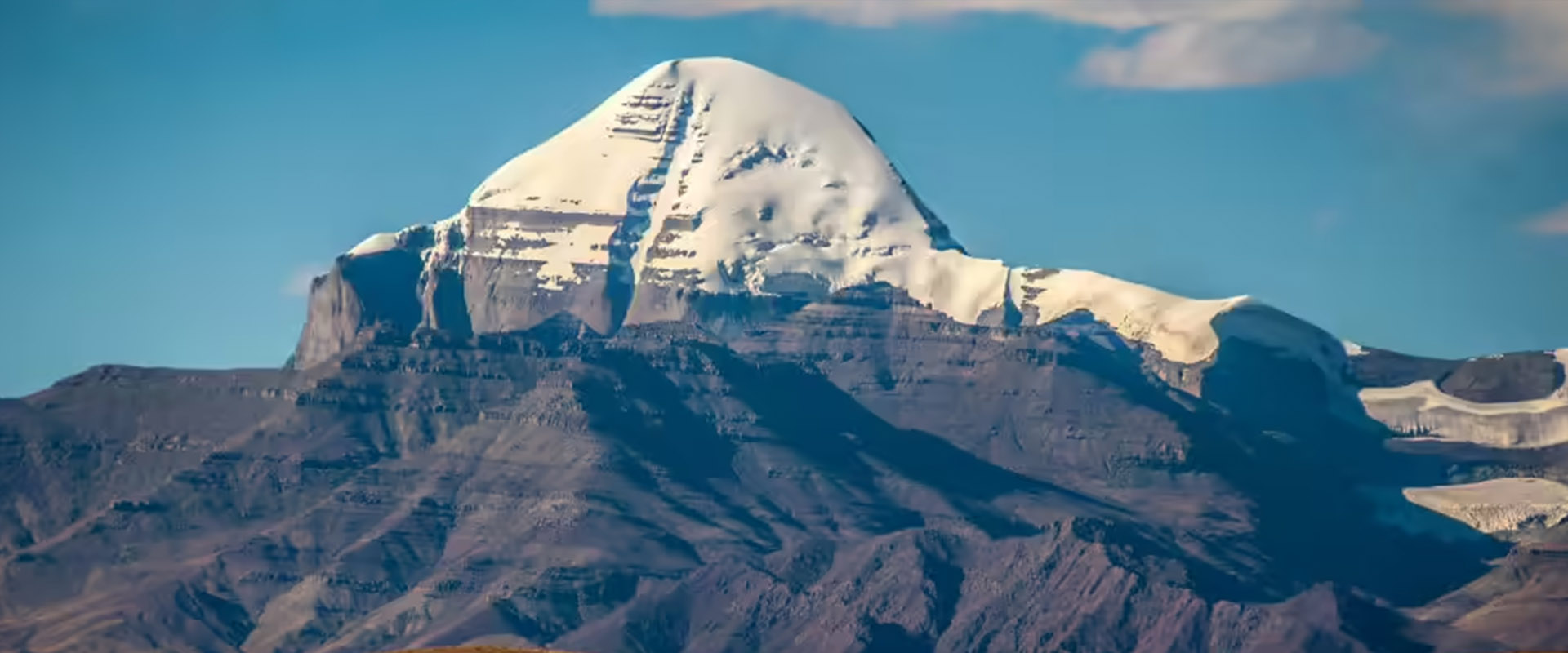
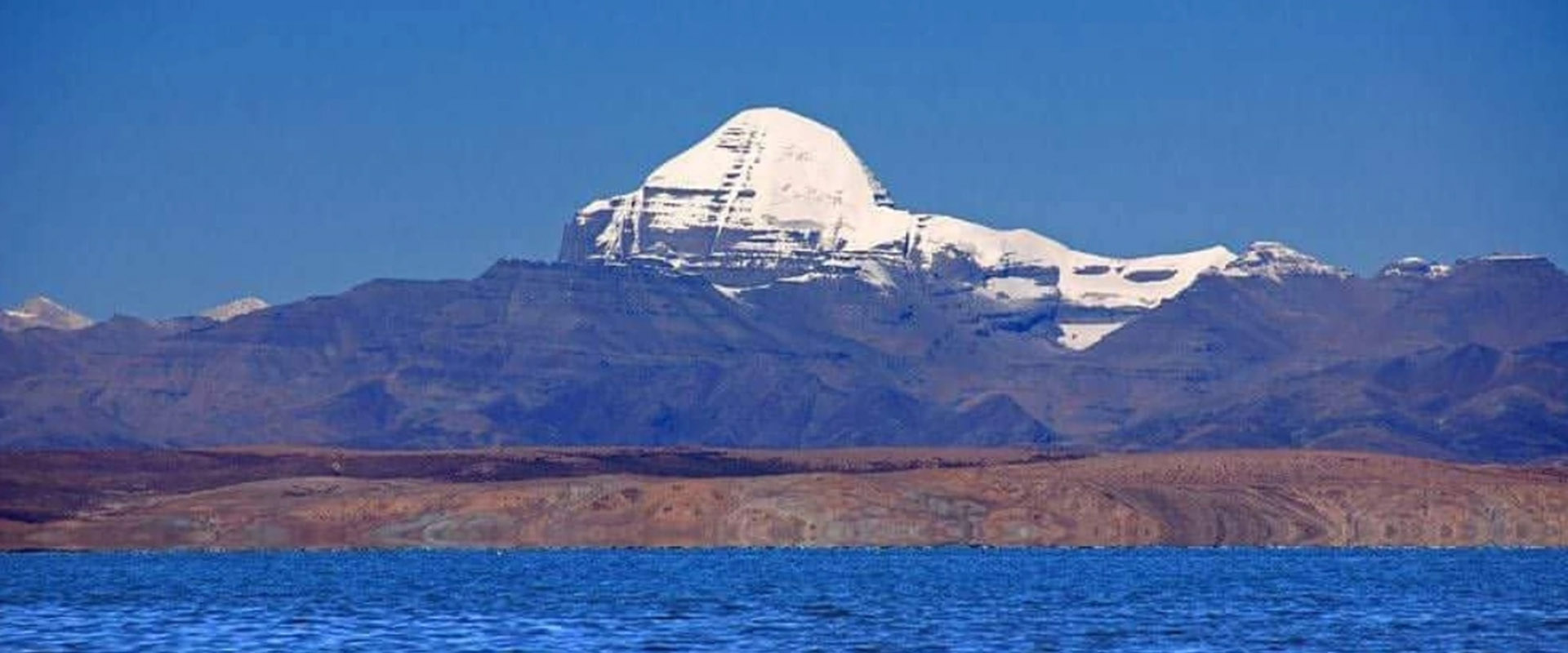
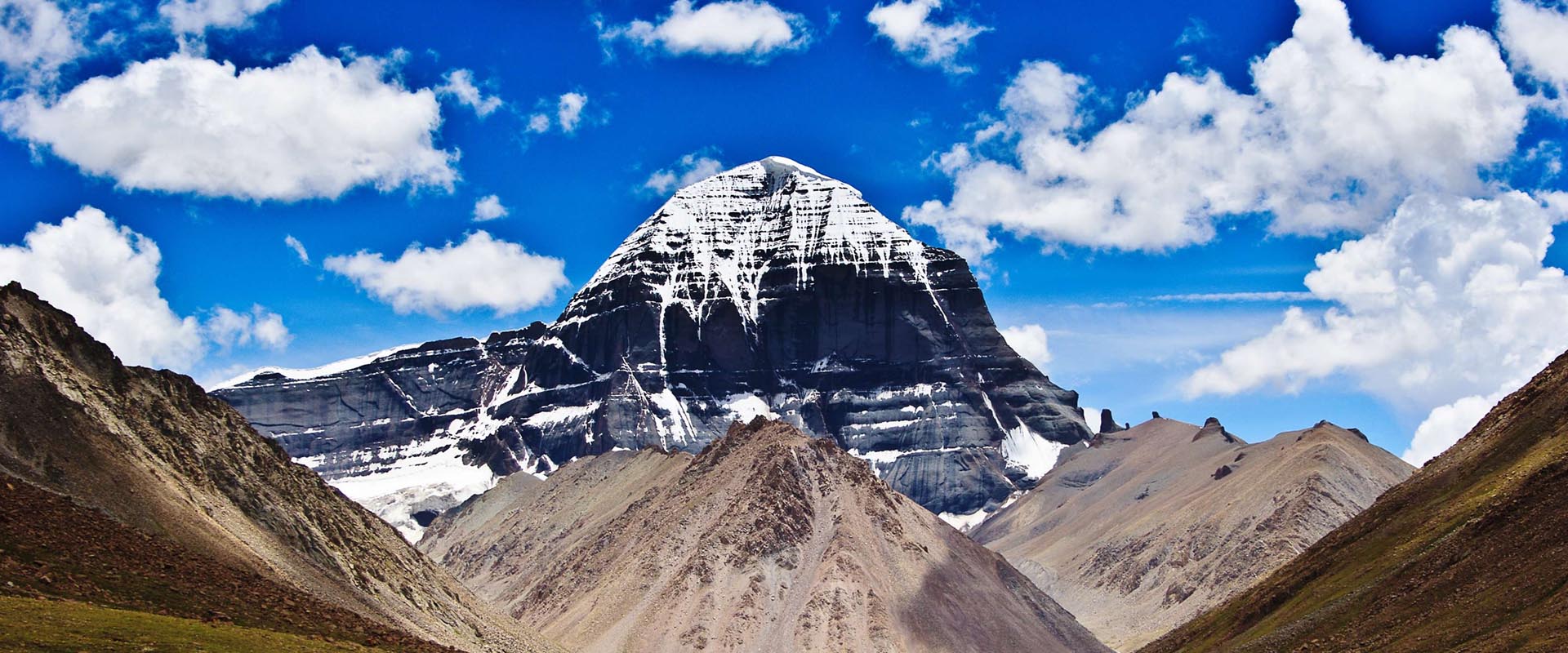
The Borasu Pass Trek is one of the most challenging and spectacular high-altitude treks in the Garhwal Himalayas, connecting Uttarakhand with Himachal Pradesh. Reaching an altitude of approximately 5,450 m (17,880 ft), the trek crosses the dramatic Borasu Pass and offers an incredible combination of alpine meadows, dense forests, glaciers, rocky moraines, snow-covered landscapes, and breathtaking Himalayan peaks.
The journey begins from the remote village of Sankri and follows the beautiful Har Ki Dun Valley through Taluka, Seema, Osla and Har Ki Dun before entering the high-altitude wilderness. As the trail climbs higher, the landscape transforms from lush forests and traditional Himalayan villages into rugged glacial terrain and snow-covered mountain slopes.
The highlight of the trek is crossing Borasu Pass, where trekkers experience dramatic panoramic views of the Garhwal and Kinnaur Himalayas. The challenging pass crossing is followed by a descent into the beautiful Kinnaur Valley, eventually reaching Chitkul, one of the last inhabited villages near the Indo-Tibetan border.
This trek is ideal for experienced trekkers and adventure enthusiasts looking for a demanding Himalayan crossing involving high altitude, steep ascents, snow, scree and long trekking days.
Short Itinerary
Borasu Pass Trek – Short Itinerary (7 Days / 6 Nights)
Day 1: Dehradun → Sankri
Drive: ~200 km | 8–9 hrs
Altitude: Sankri – ~1,950 m
Drive from Dehradun to Sankri via Mussoorie and Purola. Reach Sankri by evening and settle into your accommodation.
Stay: Guesthouse / Homestay
Evening: Trek briefing, gear check and acclimatization walk
Day 2: Sankri → Taluka → Seema/Osla
Drive: ~12 km to Taluka
Trek: ~12 km | 5–6 hrs
Altitude: Seema/Osla – ~2,560 m
Drive to Taluka and begin trekking along the Supin River. Walk through pine forests, waterfalls, wooden bridges and traditional Himalayan villages before reaching the Seema/Osla area.
Stay: Campsite / Guesthouse
Day 3: Osla → Har Ki Dun
Trek: ~10–12 km | 6–7 hrs
Altitude: ~3,500 m
Trek gradually uphill through alpine meadows, forests and rhododendron landscapes. Reach the spectacular Har Ki Dun Valley with magnificent views of the surrounding Himalayan peaks.
Stay: Camp
Day 4: Har Ki Dun → Ratha Tho
Trek: ~6–7 km | 4–5 hrs
Altitude: ~4,000 m
Continue towards higher terrain as the landscape changes from meadows to rocky and glacial surroundings. Gradually gain altitude and reach the Ratha Tho campsite.
Stay: High-altitude camp
Day 5: Ratha Tho → Lamjunga
Trek: ~6 km | 4–5 hrs
Altitude: ~4,700 m
A challenging ascent over rocky terrain brings you closer to the Borasu Pass region. The air becomes thinner and the temperature drops considerably.
Stay: High-altitude camp
Day 6: Lamjunga → Borasu Pass → Upper Dhumti
Trek: ~12 km | 9–10 hrs
Highest Point: Borasu Pass – ~5,450 m
The toughest and most exciting day of the trek begins early morning. Cross snow, scree and steep high-altitude terrain to reach Borasu Pass.
Enjoy breathtaking panoramic views of the Garhwal and Kinnaur Himalayas before beginning the long descent towards Upper Dhumti.
Stay: Camp at Upper Dhumti
Day 7: Upper Dhumti → Chitkul
Trek: ~12 km | 6–7 hrs
Altitude: Chitkul – ~3,430 m
Descend through the beautiful Kinnaur landscape, gradually leaving the high-altitude terrain behind. Reach Chitkul, famous for its remote Himalayan setting and location near the Indo-Tibetan border.
Stay: Homestay / Guesthouse
Trip Ends: Chitkul
Detailed Itinerary
Borasu Pass Trek – Detailed Itinerary
Day 1: Dehradun to Sankri – Gateway to the Himalayas
Drive Distance & Time: ~200 km | 8–9 hours
Altitude: Sankri – ~1,950 m
The Experience:
Your journey begins early morning from Dehradun as you drive towards the remote Himalayan village of Sankri.
The route passes through Mussoorie, Purola and beautiful mountain valleys, with changing landscapes of pine forests, rivers, terraced farms and traditional Garhwali villages.
As you approach Sankri, the mountains become increasingly dramatic. Sankri serves as the gateway to several famous Himalayan treks and is the perfect place to begin your Borasu Pass adventure.
After arrival, check into your guesthouse or homestay. Meet the trek team, complete your gear check and take a short acclimatization walk around the village.
Accommodation: Guesthouse / Homestay
Evening: Trek briefing, gear check, acclimatization walk and dinner
Day 2: Sankri → Taluka → Seema/Osla
Drive: ~12 km
Trek Distance & Time: ~12 km | 5–6 hours
Altitude: Seema/Osla – ~2,560 m
The Experience:
After breakfast, drive from Sankri to Taluka, the starting point of the trek.
From Taluka, begin walking alongside the beautiful Supin River. The trail passes through dense pine forests, waterfalls, streams, wooden bridges and traditional mountain settlements.
The gradual trail allows you to enjoy the peaceful surroundings while becoming familiar with the trekking terrain. By afternoon, reach the Seema/Osla area near the entrance of the Har Ki Dun Valley.
Accommodation: Campsite / Guesthouse
Evening: Tea, rest, village exploration and dinner
Day 3: Osla → Har Ki Dun
Trek Distance & Time: ~10–12 km | 6–7 hours
Altitude: Har Ki Dun – ~3,500 m
The Experience:
Today’s trail takes you deeper into the spectacular Har Ki Dun Valley.
The path gradually climbs through forests of pine and rhododendron before opening into wide alpine meadows. As you gain altitude, the surrounding Himalayan peaks become increasingly impressive.
The valley is surrounded by dramatic mountain scenery, with spectacular views towards the Swargarohini massif and other snow-covered peaks.
Reach the Har Ki Dun campsite by afternoon and spend the evening relaxing in the beautiful alpine environment.
Accommodation: Alpine tents
Evening: Hot meal, acclimatization and mountain-view relaxation
Day 4: Har Ki Dun → Ratha Tho
Trek Distance & Time: ~6–7 km | 4–5 hours
Altitude: Ratha Tho – ~4,000 m
The Experience:
After breakfast, leave the lush Har Ki Dun Valley and begin climbing towards the higher-altitude terrain.
The trail gradually becomes more rugged as alpine meadows transition into rocky and glacial landscapes. The surrounding peaks appear closer and more dramatic.
Today’s shorter trekking distance allows the team to focus on acclimatization before entering the demanding high-altitude section.
Reach Ratha Tho and set up camp in a remote mountain environment surrounded by towering peaks.
Accommodation: High-altitude tents
Evening: Acclimatization, hot meals and rest
Day 5: Ratha Tho → Lamjunga
Trek Distance & Time: ~6 km | 4–5 hours
Altitude: Lamjunga – ~4,700 m
The Experience:
Today’s trail takes you further into the high-altitude zone and closer to Borasu Pass.
The terrain becomes steeper and more rugged, with rocky sections and increasingly sparse vegetation. The thin mountain air makes the climb physically demanding, so maintaining a slow and steady pace is essential.
As you approach Lamjunga, the surrounding landscape becomes dominated by snow, rock and high Himalayan peaks.
This is an important acclimatization stage before the pass crossing.
Accommodation: High-altitude expedition tents
Evening: Route briefing, equipment preparation, hydration and early rest
Day 6: Lamjunga → Borasu Pass → Upper Dhumti
Trek Distance & Time: ~12 km | 9–10 hours
Highest Point: Borasu Pass – ~5,450 m / 17,880 ft
The Experience:
This is the most challenging and rewarding day of the Borasu Pass Trek.
Begin the climb very early in the morning. The route involves steep sections, snow, scree, rocky terrain and high-altitude conditions. Progress will depend on weather, snow conditions and the trekking team’s assessment.
After a demanding ascent, reach the top of Borasu Pass, standing at approximately 5,450 m.
From the pass, enjoy spectacular panoramic views across the Garhwal and Kinnaur Himalayas. Take a short break before beginning the long descent.
The trail then drops towards Upper Dhumti, where the team establishes camp for the night.
Accommodation: High-altitude tents at Upper Dhumti
Evening: Hot meal, recovery and rest
Day 7: Upper Dhumti → Chitkul – The Kinnaur Valley
Trek Distance & Time: ~12 km | 6–7 hours
Altitude: Chitkul – ~3,430 m
The Experience:
After breakfast, begin the final descent towards Chitkul.
The trail gradually becomes easier as you lose altitude and enter the beautiful Kinnaur Valley. The dramatic landscape changes once again, with mountain slopes, valleys and traditional Himalayan settlements creating a spectacular final section.
By afternoon, reach Chitkul, a remote and scenic village close to the Indo-Tibetan border.
Celebrate the completion of your Borasu Pass crossing with the trekking team before settling into your accommodation.
Accommodation: Homestay / Guesthouse
Trip Ends: Chitkul
Rental Gear
Rental Gear List (Pre-booking required)
- Trekking Poles: ₹200 (adjustable) / ₹150 (fixed)
- RainPoncho: ₹200
- Flask: ₹300
- Gloves: ₹150/₹250
- LunchBox&Tiffin Boxes: ₹250
- Headlamps: ₹150
- Extra WarmJackets: ₹550
- Trekking Shoes: ₹550
- Trekking Pants: ₹450
Note: Reserve rental gear in advance. Rental fees may apply.
Inclusion & Exclusion
Inclusions
- Transport: Dehradun – Harsil – Gangotri – Dehradun
- Accommodation: 2 nights in Harsil Cottage, 3 nights in tents (Double/Triple sharing)
- Meals as per itinerary (veg only)
- Certified trek leader, guides, support staff
- Camping gear: tents, sleeping bags, mattresses
- All necessary permits and forest fees
- First aid kit, oxygen cylinder
- Mules/porters for common gear
Exclusions
- Personal expenses (tips, shopping, etc.)
- Bottled water or aerated drinks
- Insurance, emergency evacuation, and rescue
- Any meals not mentioned above
- Personal trekking gear (available on rent)
- Porter for personal luggage (available at extra cost)
- Anything not mentioned in ‘Inclusions’
FAQs
Frequently Asked Questions (FAQ)
Q1: Why choose the Sarutal Trek over other commercial treks?
The Sarutal Trek is one of Uttarakhand’s most secluded and untouched trekking experiences. Unlike many popular Himalayan routes, it remains relatively unexplored, allowing trekkers to enjoy peaceful trails, vast alpine meadows, dense forests, and stunning high-altitude landscapes without large crowds. The trek also holds spiritual significance due to the presence of the revered Maa Saraswati Temple near Sarutal Lake.
Q2: How difficult is the Sarutal Trek?
The Sarutal Trek is graded as Moderate to Difficult. Trekkers need to cover steep ascents, rugged mountain trails, and high-altitude terrain. The highest point of the trek reaches approximately 4,200 meters (13,780 ft), where thinner air can make trekking more challenging. Good physical fitness, endurance, and prior trekking experience are highly recommended.
Q3: Which mountains are visible during the Sarutal Trek?
The trek offers spectacular views of several prominent Himalayan peaks. Depending on weather conditions, trekkers can witness breathtaking panoramas of Swargarohini, Bandarpoonch, Black Peak (Kala Nag), and other snow-covered peaks of the Garhwal Himalayas. Sunrise and sunset views from the high ridges are among the major highlights of the trek.
Q4: What is the best time to do the Sarutal Trek?
The ideal time for the Sarutal Trek is from May to June and September to October. During these months, the weather remains pleasant, the trails are accessible, and the mountain views are generally clear. Summer brings blooming alpine flowers, while autumn offers crisp skies and excellent visibility.
Q5: Is camping available during the Sarutal Trek?
Yes, the trek is primarily a camping-based adventure. Trekkers stay at beautiful high-altitude campsites surrounded by forests, meadows, and Himalayan landscapes. Camping under the starry mountain sky is one of the most memorable experiences of the trek.
Q6: Do I need prior trekking experience for the Sarutal Trek?
While prior trekking experience is not mandatory, it is highly beneficial. Since the trek involves significant altitude gain and long trekking days, beginners should prepare with regular cardio exercises, hiking practice, and basic fitness training before attempting the trek.
Q7: What is the highest altitude reached during the Sarutal Trek?
The highest point of the trek is Sarutal Lake and Maa Saraswati Temple region, located at approximately 4,200 meters (13,780 ft) above sea level. This high-altitude location offers breathtaking views of the surrounding Himalayan peaks and valleys.