


Rudranath Trek
Region
Uttarakhand
Duration
5 Days / 4 Nights
Difficulty
Moderate to Strenuous
Altitude
11,800 ft
Distance
22 Km
Trek Price: ₹12,000
Add-ons
| Items | Price (₹) | Items | Price (₹) |
|---|---|---|---|
| River Rafting (with Safety Kayaker) | 1500 | Bungee Jumping | 2500 |
| Offloading (Backpack) | 1600 | Single Occupancy Tent | 1600 |
| Trekking Shoes Rental | 550 | Down Jacket Rental | 550 |
| Trekking Pole Rental | 250 | Poncho / Rain Cover | 200 |
| Gloves | 200 | Thermal Water Bottle | 300 |
| Insurance | 100 / day |
Overview
Rudranath Trek – Overview (5-Day Wilderness Journey)
Discover the most secluded, mystical, and revered shrine of the sacred Panch Kedar with Team Himalayan Dérive. The Rudranath Trek is a pristine wilderness journey that takes you far away from commercial trails and straight into the untouched heart of the Garhwal Himalayas.
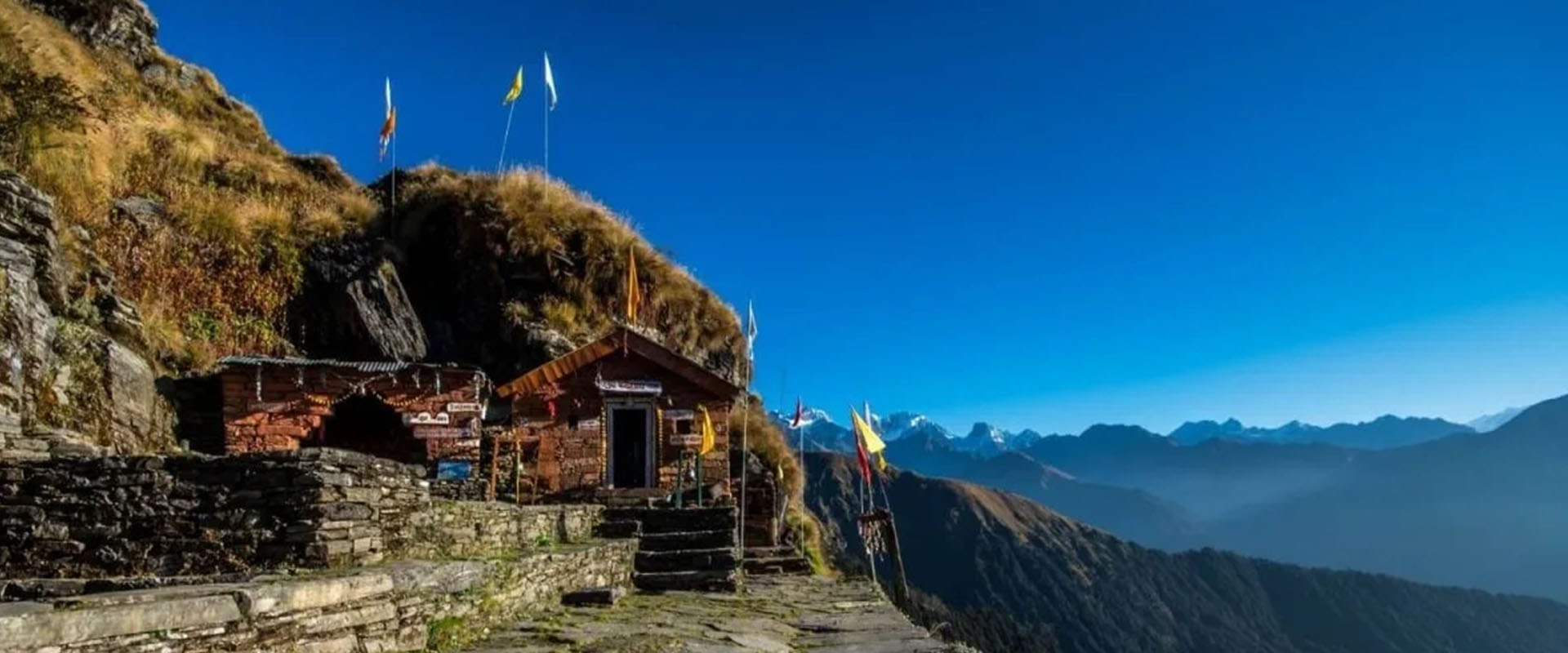
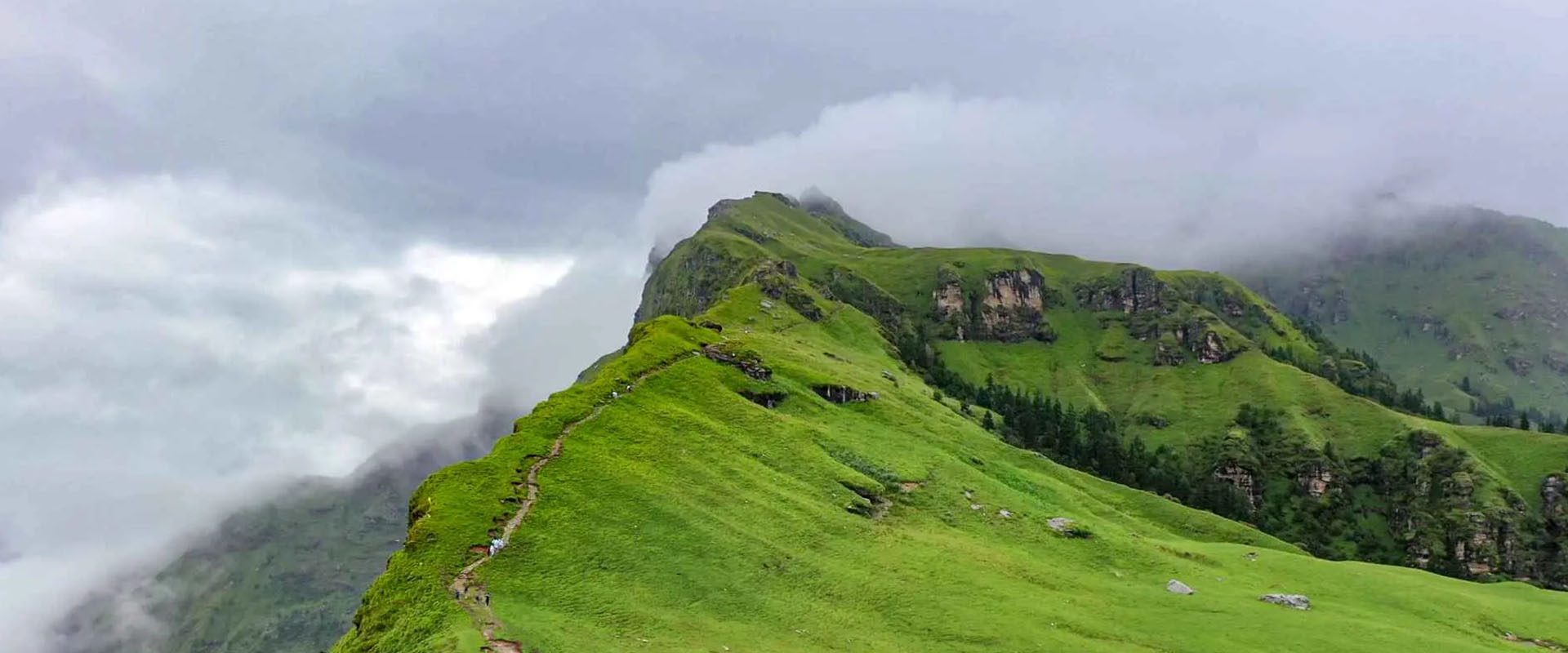
Trekking through deep, quiet oak forests and emerging onto endless, rolling alpine meadows, this trail challenges your spirit and rewards you with unmatched peace. Standing at a maximum altitude of 3,600 meters (11,800 feet), you will witness the Lord Shiva face-form shrine surrounded by towering Himalayan peaks.
This trek is a perfect blend of spiritual devotion and raw Himalayan adventure, where long forest walks, ridge climbs, and remote campsites create a deeply immersive experience in nature. The silence of the forest, the rhythm of mountain trails, and the sacred energy of Rudranath together make this one of the most meaningful pilgrimages in the Himalayas.
Short Itinerary
Short Itinerary – Rudranath Trek
Day 1: Rishikesh → Sagar Village
- Drive: ~215 km | 7–8 hours
- Overnight stay in Sagar Village
Day 2: Sagar Village → Lyuti Bugyal
- Trek: 10 km | 6–7 hours
- Overnight camping at Lyuti Bugyal
Day 3: Lyuti Bugyal → Rudranath Temple → Lyuti Bugyal
- Trek: 8 km | 5–6 hours
- Visit Rudranath Temple
- Overnight camping at Lyuti Bugyal
Day 4: Lyuti Bugyal → Sagar Village
- Trek: 10 km | ~5 hours
- Overnight stay in Sagar Village
Day 5: Sagar Village → Rishikesh
- Drive: ~215 km | 7–8 hours
- Trek concludes in Rishikesh.
Detailed Itinerary
Rudranath Trek – Detailed Itinerary
Day 1: Drive from Rishikesh to Sagar Village (The Mountain Approach)
- Route: ~215 km | 7–8 hours drive
- Early morning departure from Rishikesh with the expedition team
- Scenic drive along the Alaknanda and Mandakini river valleys
- En route views of sacred confluences like Devprayag and Rudraprayag
- Gradual ascent into deeper Himalayan terrain
Arrival at Sagar Village:
- Check-in at base homestay
- Rest and preparation for trek
Accommodation: Homestay in Sagar Village
Day 2: Sagar Village → Lyuti Bugyal Camp via Panar
- Distance: 10 km | 6–7 hours trek
- Steep ascent through dense oak and rhododendron forests
- Gradual transition from forest zone to alpine meadows
Experience:
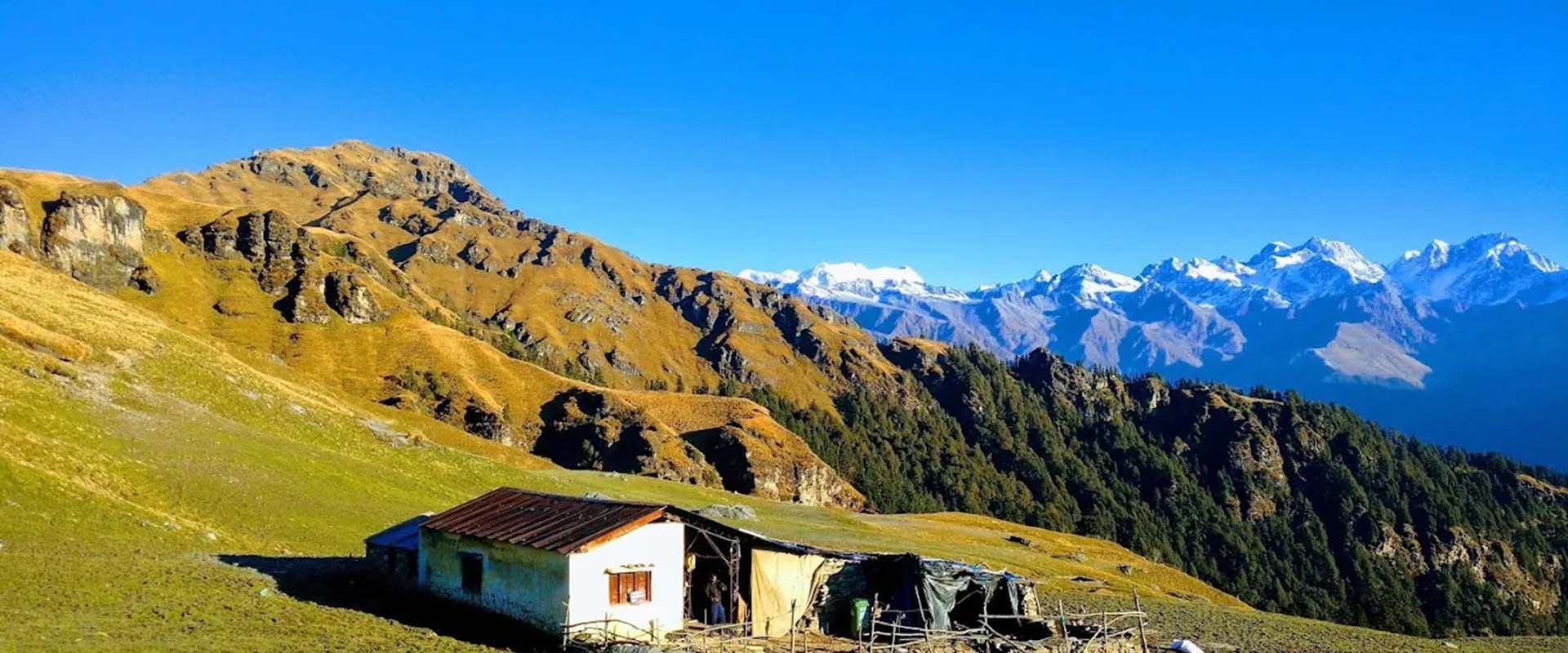
- Wide grasslands of Panar Bugyal and Lyuti Bugyal
- Peaceful high-altitude camping environment
- Clear mountain skies and silence of wilderness
Accommodation: Alpine camping at Lyuti Bugyal
Day 3: Lyuti Bugyal → Rudranath Temple → Return to Camp
- Distance: 8 km | 5–6 hours trek
- Cross Pitradhar Ridge with prayer flags and open Himalayan views
- Descend into sacred valley towards Rudranath Temple
Experience:
- Visit the ancient cave-like shrine of Lord Shiva (Rudranath)
- Spiritual atmosphere surrounded by Himalayan peaks
- Return trek back to campsite
Accommodation: Alpine camping at Lyuti Bugyal
Day 4: Lyuti Bugyal → Sagar Village (Descent)
- Distance: 10 km | ~5 hours trek
- Early morning Himalayan sunrise views over Chaukhamba and Nanda Devi ranges
- Gradual descent through oak and rhododendron forests
Experience:
- Easy downhill trek through familiar forest trails
- Return to base village by afternoon
Accommodation: Homestay in Sagar Village
Day 5: Sagar Village → Rishikesh (Return Journey)
- Route: ~215 km | 7–8 hours drive
- Morning departure after breakfast
- Drive back through river valleys and mountain roads
Trip Ends:
- Arrival in Rishikesh by evening
- Journey concludes with Himalayan memories
Rental Gear List (Pre-booking required)
- Trekking Poles: ₹200 (adjustable) / ₹150 (fixed)
- RainPoncho: ₹200
- Flask: ₹300
- Gloves: ₹150/₹250
- LunchBox&Tiffin Boxes: ₹250
- Headlamps: ₹150
- Extra WarmJackets: ₹550
- Trekking Shoes: ₹550
- Trekking Pants: ₹450
Note: Reserve rental gear in advance. Rental fees may apply.
Inclusions
- Transport: Dehradun – Harsil – Gangotri – Dehradun
- Accommodation: 2 nights in Harsil Cottage, 3 nights in tents (Double/Triple sharing)
- Meals as per itinerary (veg only)
- Certified trek leader, guides, support staff
- Camping gear: tents, sleeping bags, mattresses
- All necessary permits and forest fees
- First aid kit, oxygen cylinder
- Mules/porters for common gear
Exclusions
- Personal expenses (tips, shopping, etc.)
- Bottled water or aerated drinks
- Insurance, emergency evacuation, and rescue
- Any meals not mentioned above
- Personal trekking gear (available on rent)
- Porter for personal luggage (available at extra cost)
- Anything not mentioned in ‘Inclusions’
FAQs
Frequently Asked Questions (FAQ)
Q1: How difficult is the Rudranath Trek?
The Rudranath Trek is graded as Moderate to Strenuous. It involves long ascents through dense forests, alpine meadows, and steep mountain trails. The trek demands good physical fitness, stamina, and prior preparation due to continuous uphill walking, especially on the approach to the temple region.
Q2: What is the altitude of the Rudranath Temple?
The Rudranath Temple is situated at an altitude of approximately 3,600 meters (11,800 feet) above sea level in the Chamoli district of Uttarakhand. It is one of the sacred Panch Kedar temples dedicated to Lord Shiva and is surrounded by pristine Himalayan landscapes.
Q3: Can we do the Rudranath Trek in winters?
No, the Rudranath Temple remains closed during the winter season, typically from November to April, due to heavy snowfall and extreme weather conditions. During this period, the symbolic idol of Lord Shiva is moved to Gopeshwar, where winter worship rituals are performed.
Q4: What is the best time to do the Rudranath Trek?
The best time to undertake the Rudranath Trek is from May to June and September to October. During these months, the weather remains stable, the trails are accessible, and trekkers can enjoy clear views of the surrounding Himalayan peaks and meadows.
Q5: What are the main attractions of the Rudranath Trek?
The trek is famous for its spiritual significance and natural beauty. Major highlights include Rudranath Temple, lush alpine meadows, dense forests, and panoramic views of Himalayan peaks like Nanda Devi, Trishul, and Chaukhamba.